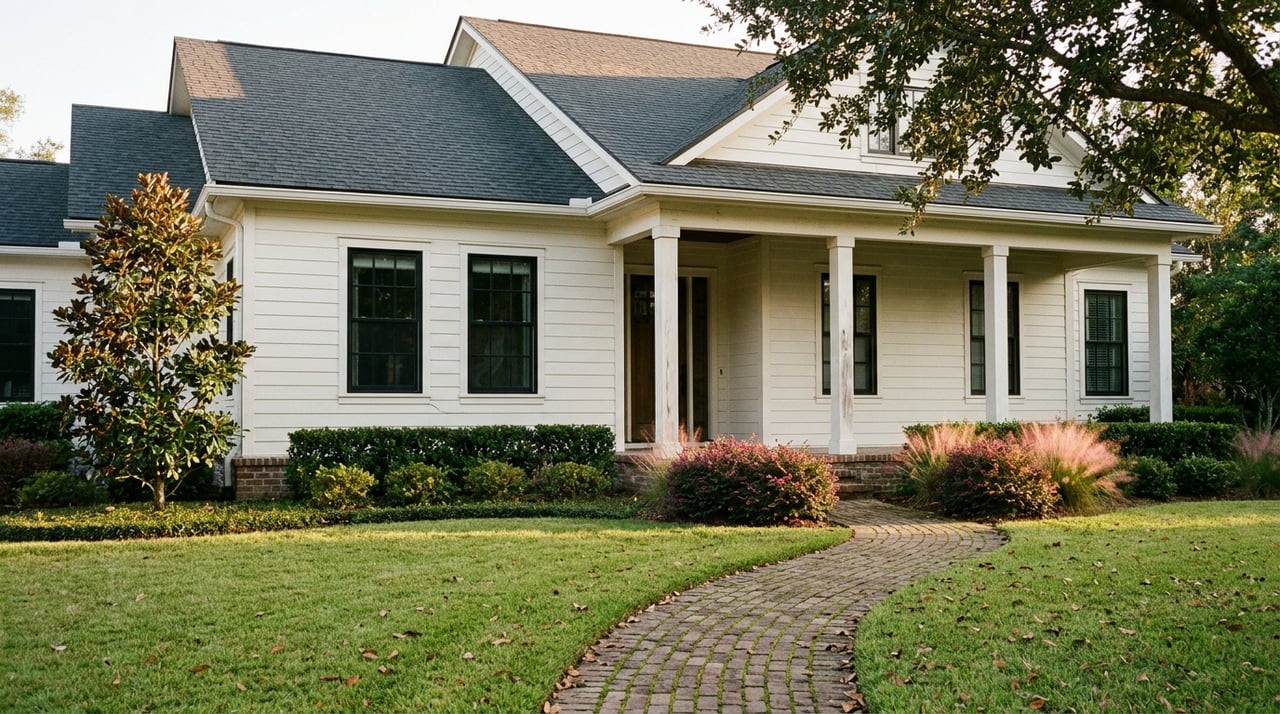
What Mount Pleasant SC Property Tax Reassessment Means
August 20, 2026
August 20, 2026
Two homes sit on the same Mount Pleasant street, roughly the same square footage, listed within $20,000 of each other. One owner pays under $3,000 a year in property taxes. The other pays close to $9,000. Nothing about the houses explains the gap. The explanation lives in South Carolina's property tax code, and it is about to matter more than it has in five years.
If you are comparing homes in Mount Pleasant right now, the tax figure you see on a listing sheet is not a prediction. It is a photograph of what the current owner pays, frozen under rules that stop applying the day you close.
South Carolina limits how much a home's assessed value can climb from a countywide reassessment, and that cap is one reason long-held Mount Pleasant homes often carry tax bills far below what a fresh appraisal would produce.
The cap also has a hard boundary. The South Carolina Code of Laws requires it to be removed the moment a property changes hands through what the code calls an assessable transfer of interest, essentially any sale. When that happens, the county reappraises the home at current market value, effective December 31 of the year the sale closes. The seller's capped number does not travel with the deed. Your first tax bill as the new owner reflects the reset, not their history.
This is the mechanism behind that $3,000-versus-$9,000 gap on the same street. It usually isn't two different tax rates. It's one home that sold recently and one that didn't.
Charleston County completed its countywide reassessment for the 2025 tax year, and Mount Pleasant's numbers moved. Town-wide property values rose roughly 10.4% from reassessment alone, with another 4.9% layered on from new growth and ownership transfers, for a combined increase near 15.3%.
That means the spread between a capped, long-held value and a fresh, post-sale value is close to the statutory maximum right now. A home that hasn't changed hands in the current five-year cycle is sitting near the top of what the cap allows it to protect. The same home, sold today, resets past that ceiling entirely.
For a buyer relocating from a market without this rule, the practical takeaway is straightforward: don't budget from the seller's tax bill. Ask what the reassessed value would be at your contract price, and build your carrying costs from that number instead.
Mount Pleasant sits in Charleston County's Tax District 21, where the combined millage for the 2025-2026 tax year runs close to 260.4 mills. That full number applies to non-owner-occupied property, taxed at South Carolina's 6% assessment ratio, which covers second homes, investment purchases, and any residence where the owner hasn't filed for legal residence status. Homes claimed as a primary residence are taxed at a 4% ratio and have the school operating portion, well over 140 of those mills, removed from the calculation. The South Carolina Department of Revenue says this exemption isn't automatic. You have to apply with the Charleston County Assessor after closing to get it.
Here's how that plays out on the same purchase price, using this year's published district millage:
| Owner-occupied, legal residence filed (4%) | Second home or investment property (6%) | |
|---|---|---|
| Purchase price | $700,000 | $700,000 |
| Assessed value | $28,000 | $42,000 |
| Approx. effective millage | ~120 mills (school operating removed) | ~260.4 mills (full district rate) |
| Estimated annual tax | ~$3,360 | ~$10,936 |
Those figures are illustrative, built from the district's published rates rather than a specific parcel, and actual bills shift with special purpose districts and any capital-fee overlays. But the shape of the comparison is real and it's the same shape driving the gap between the two homes on that street. One reason lifestyle and second-home buyers looking at Mount Pleasant, Old Village, or Daniel Island should run this math before writing an offer: the 6% ratio applies whether the second home sits empty most of the year or gets used every weekend.
The number on the listing sheet tells you what the seller pays. It tells you almost nothing about what you will.
Buyers looking at new construction hit a different form of the same surprise. South Carolina exempts 100% of the value of a newly built detached single-family home from property tax, for the builder or developer who owns it, until the earlier of the year it sells or is occupied, or the sixth December 31 after the certificate of occupancy is issued. Practically, that means a spec home's public tax record often shows a number based on land value alone, because the structure itself hasn't been taxed yet.
A builder's estimated tax figure on a new listing in a community still building out, or a comparable sale from a neighbor who closed two years ago, can understate what your first full bill will actually be. Your purchase triggers the same assessable-transfer reappraisal as any resale, and it lands on top of a home that may never have carried real improvement value on the books before you owned it.
This matters specifically in Carolina Park, one of the few places in Mount Pleasant still delivering meaningful new-construction volume. The community secured vested development rights for close to 2,030 residential units back in 2011, before the town capped town-wide residential permits at roughly 600 per year in 2019. Carolina Park and Liberty Hill Farms remain the only two development-agreement exemptions from that cap, which is part of why Carolina Park keeps closing new builds while most other Mount Pleasant subdivisions have shifted to resale inventory. If you're shopping new construction here, the tax-reset conversation isn't a footnote. It's a recurring feature of buying in one of the only sections of town still building at scale.
Does the tax bill on a Mount Pleasant listing reflect what I'll pay after closing? No. It reflects the current owner's capped or exempted value. Your bill resets to a fresh appraisal, effective December 31 of the year you close.
Is the 4% versus 6% assessment ratio something I choose? It's determined by occupancy. The 4% rate applies to a legal, owner-occupied primary residence and requires an application with the County Assessor. The 6% rate applies to second homes, rentals, and any property without that filing.
Why would a brand-new home have such a low listed tax history? Builder-owned new construction is exempt from tax on the improvement value until it sells or is occupied, or up to six years after the certificate of occupancy. The number on record often reflects land value only, not the home you're buying.
Mount Pleasant's tax math rewards a little homework before you write an offer, not after. If you're comparing homes here and want the real first-year number instead of the one on the listing sheet, Kaylan Sells Charleston can walk through the math with you property by property. Schedule a consultation before you get attached to a bill that isn't the one you'll actually receive.
This article is general information, not legal, tax or financial advice. Consult a qualified professional about your situation.
Stay up to date on the latest real estate trends.

charleston lifestyle
From Charleston institutions and independent boutiques to designer flagships, here’s where to shop along one of downtown’s most iconic streets.
For an unmatched Charleston real estate experience tailored to your needs, reach out to Kaylan Tyler today. Let her passion and expertise guide you in finding or selling your dream home. Contact Kaylan now to begin your journey towards the perfect Charleston lifestyle!