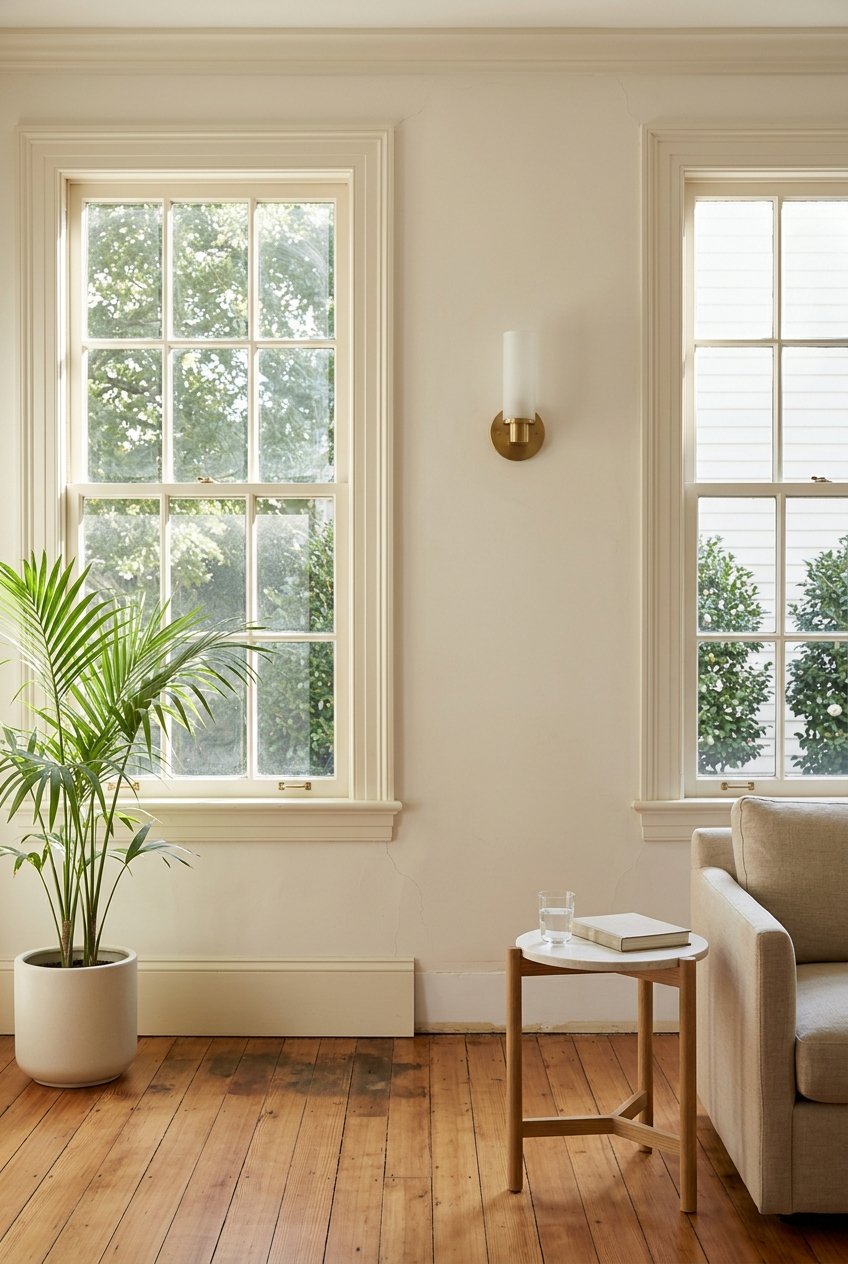
Wagener Terrace Fixer-Upper Guide Before You Buy
June 18, 2026
June 18, 2026
Dreaming about restoring a classic Charleston home instead of buying something fully updated? A fixer-upper in Wagener Terrace can be a smart way to buy into one of the peninsula’s most established neighborhoods, but it also comes with real risks that are easy to underestimate. If you know what to look for before you make an offer, you can better spot hidden costs, protect your budget, and make a more confident decision. Let’s dive in.
Wagener Terrace stands out because of its age, character, and variety. The neighborhood was developed in the 1910s, with most homes built between 1920 and 1940, which means many properties still reflect early 20th-century design and construction. For you as a buyer, that often creates opportunities to find homes with strong architectural appeal and room for improvement.
Unlike a newer subdivision with similar floor plans from block to block, Wagener Terrace grew over time through individual lot development. That gives the neighborhood a wider mix of forms, materials, and details. It also means a home’s value is often tied not just to size or updates, but to how much of its original scale, proportions, and materials remain intact.
If you are considering a fixer-upper here, it helps to know what you are buying. The neighborhood includes several housing styles, and each can come with different repair priorities.
Craftsman bungalows are common throughout Wagener Terrace, especially on Ashley, Rutledge, and Darlington Avenues and on Gordon Street. These homes often feature low-pitched roofs, wide eaves, exposed rafters, tapered square columns, decorative brick, and three-over-one sash windows.
For buyers, these details add charm, but they can also add cost. Original porches, windows, and brickwork may need more careful repair than a standard cosmetic update.
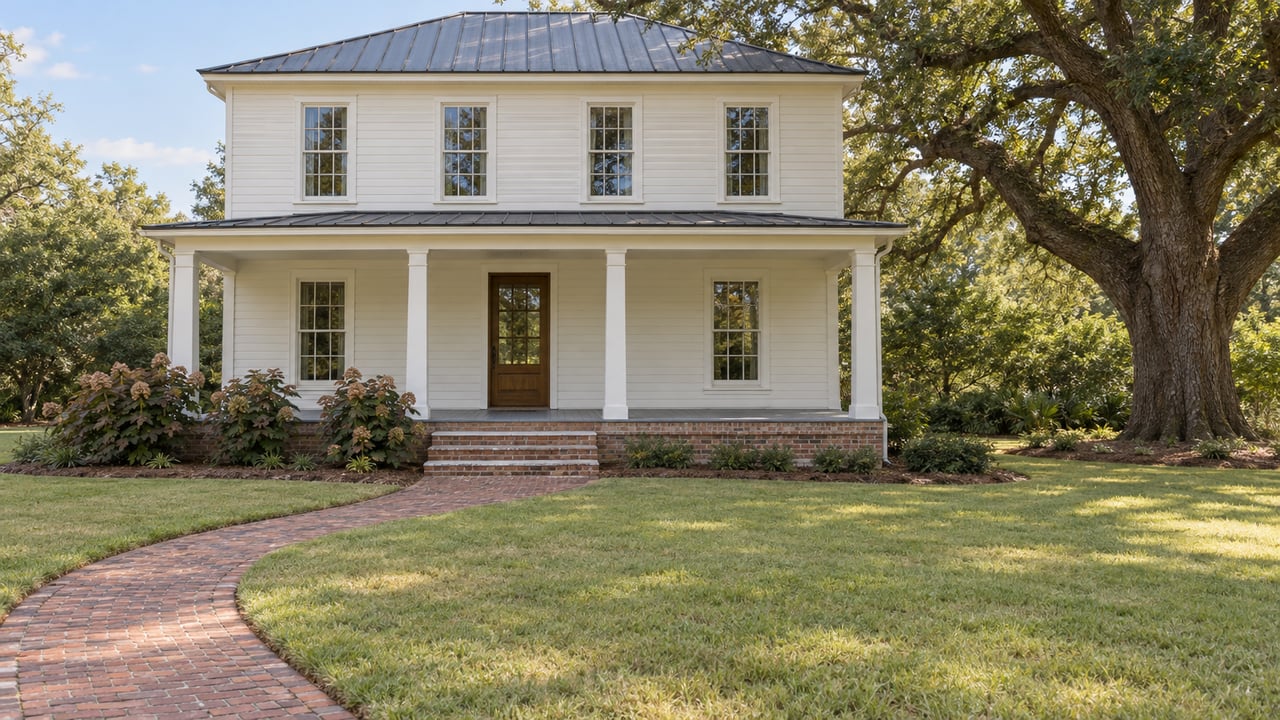
American Foursquare homes are less common and are more concentrated near Rutledge Avenue. They are typically two-story, boxy homes with hipped roofs, center dormers, and wide porches.
Because of their size and shape, these homes may offer more interior square footage than a bungalow. At the same time, bigger roof areas, large porches, and older exterior materials can affect your renovation budget.
Tudor Revival homes are found often in the southern half of the neighborhood. They commonly include steep roofs, brick lower levels, false timbering, cross gables, and large chimneys.
These are visually striking homes, but decorative exterior elements can be expensive to restore or replace. If you are budgeting for a Tudor fixer-upper, exterior condition deserves close attention.
Minimal Traditional houses are concentrated along Hester and Clemson streets. Ranch houses are more common in the western part of the neighborhood near the Ashley River.
These homes may seem simpler at first glance, but that does not automatically mean lower renovation risk. Foundation, flood, roof, crawlspace, and permitting issues can still shape the total cost of ownership.
In Wagener Terrace, a fixer-upper is rarely just about paint colors and kitchen finishes. The City’s appraisal identifies key threats to the neighborhood’s historic character as insensitive modifications, loss of historic materials, and flooding. For you, those same issues can directly affect project scope, timing, and cost.
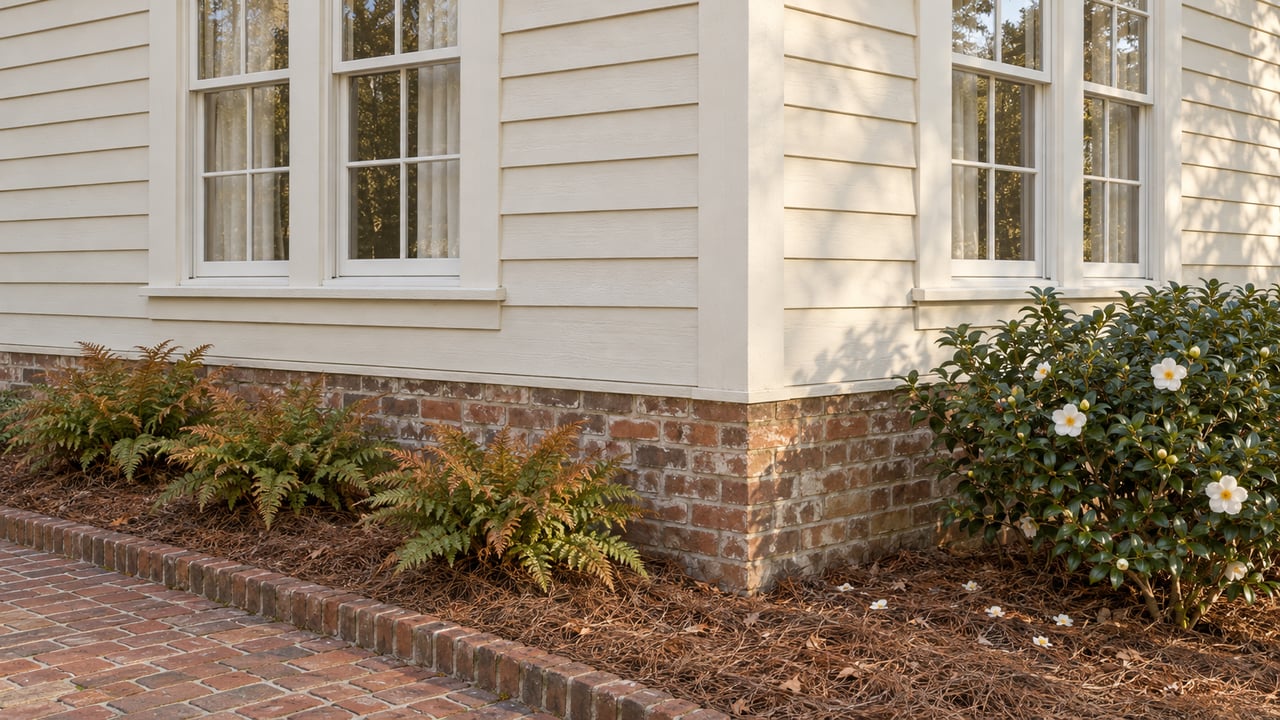
Many homes in the neighborhood are raised on shallow foundations supported by masonry piers with crawlspaces. Porches are common, and exterior walls are often finished in unpainted brick veneer. Roofs, windows, chimneys, decorative brick, and iron details also show up often, and these are exactly the kinds of features that can turn a light renovation into a much larger project.
In Charleston, flood risk is not something to check at the very end. The City states that all properties in the city are in a flood zone, though not all are in the FEMA Special Flood Hazard Area. That makes flood review a must-have step before you fall in love with a home’s charm.
The first question is whether the property is in the Special Flood Hazard Area or in a general city flood zone only. If it is in the Special Flood Hazard Area, mandatory flood-insurance purchase requirements may apply. That can affect your monthly ownership costs right away.
Flood status does more than affect insurance. In the Special Flood Hazard Area, work that many buyers think of as minor can still require a permit, including painting, interior finishes, and storm-damage repairs.
The City also notes an important threshold for renovation planning. If the cumulative cost of repairs or improvements within one year reaches 50 percent of the structure’s market value, the project becomes a substantial improvement and the building must meet current flood design requirements.
For residential substantial improvements, the City requires 1 foot of freeboard above Base Flood Elevation. Elevation certificates are also required for new construction and substantial improvements in the Special Flood Hazard Area. If you are buying a home with big renovation plans, this is one of the most important issues to understand early.
Wagener Terrace is included in the City’s Historic Materials Demolition Purview District. That matters because for structures over 50 years old, historic materials visible from the public right-of-way are subject to Board of Architectural Review purview for demolition or replacement decisions.
In practical terms, exterior work is not only a construction question. It can also become a preservation question depending on what you plan to change.
This is where buyers can get tripped up. Repairing original wood windows, porches, siding, brick, or decorative trim in-kind may be treated differently from replacing those same elements with new materials.
That means you should not assume a project is purely cosmetic just because the home looks weathered. Before you budget for exterior updates, confirm whether the planned work is considered repair, replacement, or alteration.
The City notes that many minor alterations, such as painting, sitework, signage, and repairs, are typically reviewed by staff rather than by the full Board. Even so, review requirements can still affect your timeline.
For a buyer, the lesson is simple: permit and review questions should come before closing, not after. That gives you a clearer picture of what your first year of ownership may actually look like.
A smart renovation budget in Wagener Terrace should separate cosmetic wish-list items from code-driven work. New fixtures and finishes are easy to picture, but they should not distract you from the bigger systems and site issues that often drive cost in older homes.
Because homes here commonly include raised foundations, crawlspaces, porches, original windows, and masonry detailing, it is wise to get line-item quotes for the areas most likely to affect both safety and scope.
Before you rely on a broad renovation estimate, try to get specific pricing for:
This approach gives you a more realistic planning number. It also helps you see whether the home needs mostly cosmetic updates or whether the true costs are tied to structure, site conditions, or exterior preservation.
A fixer-upper purchase gets much smoother when you ask the right questions up front. In Wagener Terrace, that means looking beyond finishes and square footage.
Here are some smart questions to raise with your agent and contractor team:
You should also verify permit history early through the City’s residential permitting process. Since residential alteration and addition work runs through the City’s building permit system and inspections process, missing permits can become a real issue for cost, timing, and peace of mind.
Buying a fixer-upper in Wagener Terrace can make sense if you appreciate older homes and you are willing to approach the purchase with a clear plan. The strongest opportunities are often the homes where you can tell the difference between cosmetic projects and the repairs that may involve structure, flood compliance, or preservation review.
If you come in prepared, you can make a smarter offer and avoid surprises that derail your budget later. In a neighborhood like Wagener Terrace, the goal is not just to buy a house with potential. It is to understand what that potential will actually require.
If you are considering a fixer-upper in Wagener Terrace, working with a local agent who can help you evaluate neighborhood character, renovation scope, and the right vendor conversations early can make the process much easier. When you are ready for tailored guidance, connect with Kaylan Tyler for a personalized consultation.
Stay up to date on the latest real estate trends.
charleston lifestyle
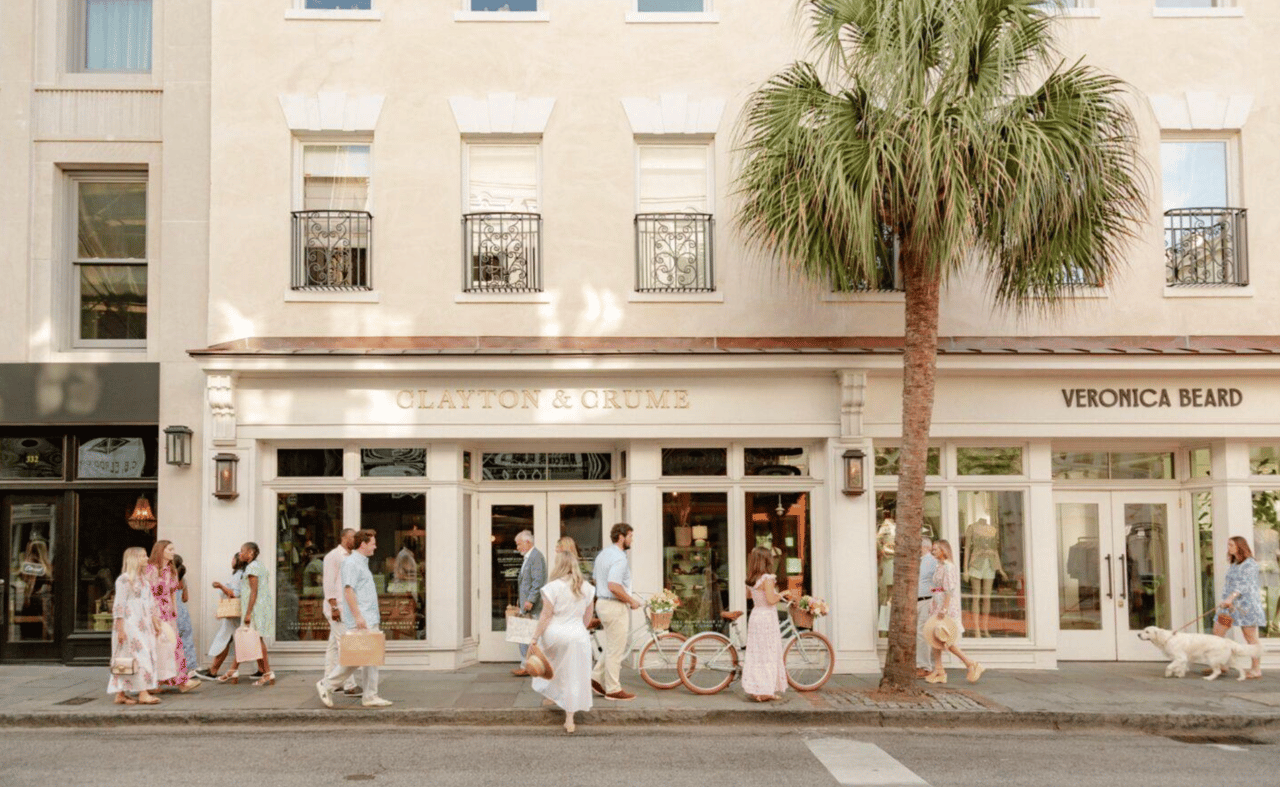
From Charleston institutions and independent boutiques to designer flagships, here’s where to shop along one of downtown’s most iconic streets.
For an unmatched Charleston real estate experience tailored to your needs, reach out to Kaylan Tyler today. Let her passion and expertise guide you in finding or selling your dream home. Contact Kaylan now to begin your journey towards the perfect Charleston lifestyle!