How to Sell a Historic Home in Old Village Mount Pleasant
May 7, 2026
May 7, 2026
Wondering how to sell a historic home in Old Village without hurting its value or running into avoidable delays? You are not alone. Selling in this part of Mount Pleasant is different from selling a newer home, and the details matter. From pricing and prep to design review and disclosure, a smart plan can help you protect your home’s character and present it well to serious buyers. Let’s dive in.
Old Village is not just a well-known neighborhood. It is also a protected historic area with both national recognition and a local historic overlay. The Town of Mount Pleasant says the district was listed on the National Register of Historic Places in 1973, and the town created its 37-block local historic district in 1979 to preserve architecture while encouraging harmonious growth and civic pride.
That matters when you sell because buyers are not only comparing square footage or finishes. They are also reacting to setting, streetscape, architectural details, and how well the home fits within Old Village’s historic character. In a harbor-adjacent neighborhood with shade trees, lawns, bluffs, and nearby landmarks like Shem Creek and Alhambra Hall, the story of the property can shape buyer interest just as much as the floor plan.
In Old Village, all buildings in the district are subject to design review, no matter their size, age, or historic importance. The town also keeps an inventory of homes and classifies properties as Historic or Non Historic. If your home is designated Historic, stricter guidelines apply when you request a Certificate of Appropriateness, often called a COA.
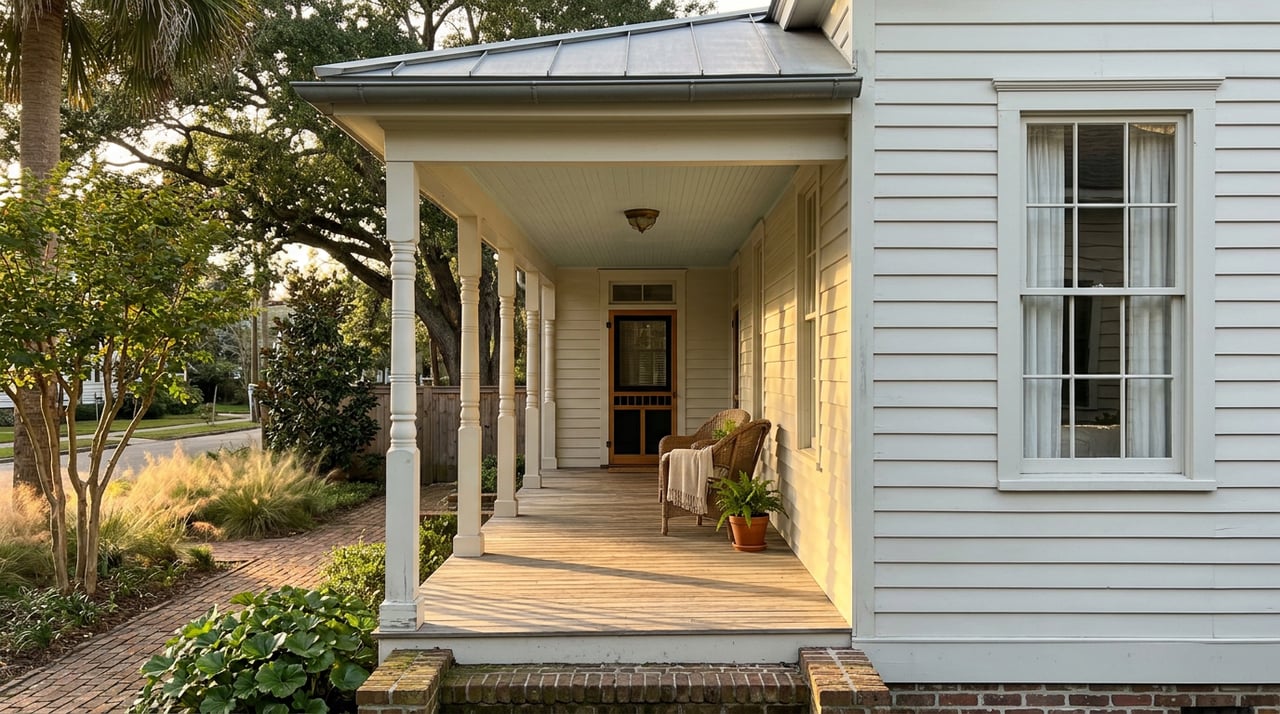
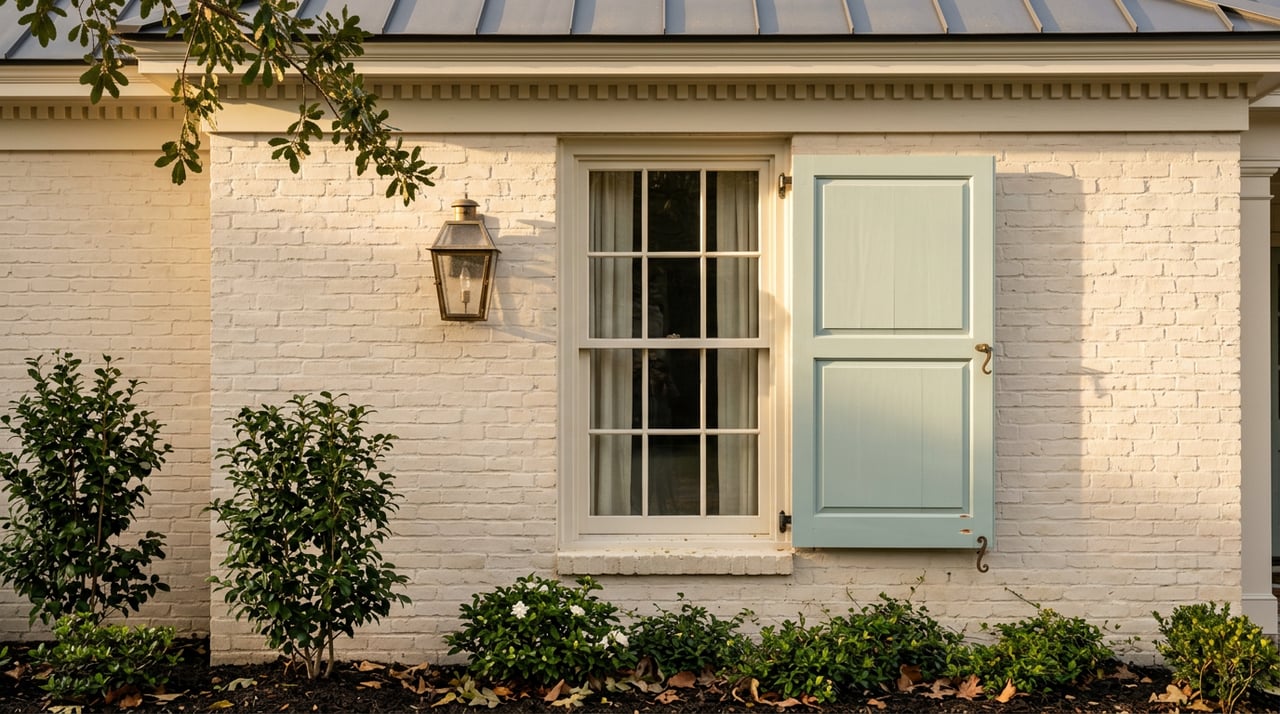
If you are thinking about listing soon, this is one of the first things to check. Visible exterior work is not simply a cosmetic choice in Old Village. The guidelines focus on preserving original porch details, wood siding, windows, masonry, and roof forms, while requiring additions and new work to remain compatible with the surrounding block and streetscape.
Timing can become a real issue if you wait too long. The town’s FAQ states that a new roof requires a permit, and homes in Old Village need additional historic-district approval before that permit can be issued. Even permanent hurricane window protection requires a COA.
That means last-minute exterior cleanup can backfire if it triggers approvals you did not build into your timeline. If you suspect the roof, porch, windows, or exterior trim may need attention, plan those conversations early. The town recommends starting major projects with a staff meeting before filing a COA application.
Not every task is complicated. Routine maintenance and repair using approved materials, with no change to exterior appearance, may not need design review. Interior work also does not require design review.
For sellers, that opens the door to practical prep work inside the home. It can also help with small exterior maintenance items, as long as the work stays within the town’s guidelines. Paint color is excluded from design review if it appears on a historic paint chart, which can be helpful if you are refreshing presentation before listing.
Historic homes in Old Village should be priced with a sharp eye on comparable sales, not just neighborhood reputation. Fannie Mae says comparable sales should share similar physical and legal characteristics, including site, room count, finished area, style, and condition. External factors such as FEMA flood zone should also be considered, and sale activity within the neighborhood is the best indicator of value.
That is especially important in Old Village because two homes with similar square footage can perform very differently. Original features, lot position, parking, flood exposure, drainage, condition, and deferred maintenance can all influence how buyers and appraisers see value. A well-kept historic home may belong in a different comp set than a similarly sized home in a newer section of Mount Pleasant.
Mount Pleasant market data shows why careful pricing matters. Redfin reported a March 2026 median sale price of $880,000 and a median of 56 days on market. Realtor.com reported a March 2026 median listing price of $995,000, 37 median days on market, and sales at about 1.69% below asking.
Those are townwide figures, not Old Village-specific numbers. Still, they show a market where buyers are active but not careless. In a premium neighborhood, overpricing can reduce momentum, while a well-supported list price can help you attract strong interest from buyers who understand the appeal of Old Village.
In South Carolina, sellers of residential real property generally must deliver the Residential Property Condition Disclosure Statement before the contract is formed, unless an exemption applies. The state form requires owners to answer fully and honestly, attach supporting reports when needed, and correct the disclosure if later information makes an earlier answer inaccurate.
For an older home, that paperwork deserves real attention. The disclosure is not a warranty, and it does not replace buyer inspections, but it does set expectations. A thoughtful, complete disclosure can help reduce surprises once a buyer starts due diligence.
A pre-sale inspection is not required, but it can help you identify issues before your home hits the market. According to NAR, these inspections can cover the structure, exterior, roof, plumbing, electrical, heating and cooling, interiors, ventilation and insulation, and fireplaces. They may also include testing for mold, radon gas, lead paint, and asbestos.
For Old Village homes, the most important items often include roof systems, gutters, foundations and slabs, chimneys, floors, windows, doors, exterior walls, porches, and any signs of moisture, wood-destroying organisms, dry rot, or fungus. These are all issues that appear directly on South Carolina’s disclosure form, which makes them especially important to understand before listing.
If you have had repairs, upgrades, or inspections completed, keep those records together. NAR notes that a clean file of permits, invoices, and reports can be helpful, especially since the state disclosure form allows attachments. Even if you do not plan to fix every issue before listing, pricing out significant repairs can help you make smarter decisions about price, timing, and negotiation.
Old Village sellers should pay special attention to how the lot handles water. The town’s Old Village stormwater program notes that ponding can still occur during heavy rain, even after drainage upgrades. Homeowners are also expected to maintain swales so lots drain properly.
That does not mean every property has a problem. It does mean buyers may notice grading, standing water, or signs of moisture more quickly in a historic Lowcountry setting. If your home has drainage-related maintenance needs, it is better to understand them early than to let them become a surprise during inspections.
You do not need to erase a historic home’s personality to sell it well. NAR says cosmetic updates are optional, but cleaning, decluttering, curb appeal improvements, and simple refreshes can improve photos and showings. In Old Village, the smartest strategy is usually to start with what makes the home feel cared for.
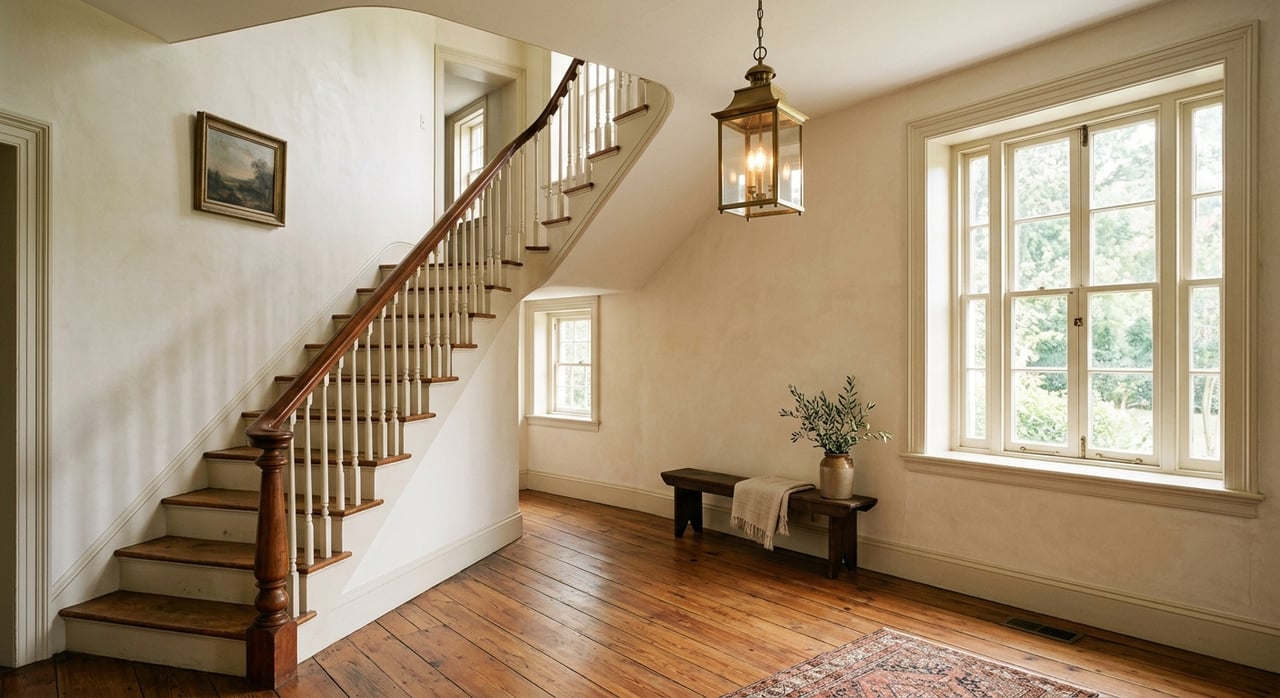
That may mean polishing original details, clearing porches, editing furniture, and making rooms feel open and usable. In a home with architectural character, buyers usually want to see the trim, fireplaces, windows, and room scale clearly. Too much decor can distract from the features that make the property special.
Exterior presentation matters, but Old Village guidelines should shape your choices. Routine maintenance with approved materials and no exterior appearance change may not need design review, while interior work does not require review. Historic features such as porch details, wood siding, windows, and roof forms should still be preserved.
This is where thoughtful planning helps. The goal is not to modernize the home into something it is not. The goal is to present it as well-maintained, functional, and true to its setting.
A historic home in Old Village is not just a structure. It is part of a place that buyers often find memorable the moment they drive through it. Town materials describe Old Village as a quiet residential area with shade trees, lawns, harbor views, and bluffs facing Charleston.
That neighborhood identity can be a major selling advantage. Nearby features like Shem Creek Park, with its walking trail, fishing access, restrooms, and parking, add to daily convenience and appeal. The town also highlights the Old Village wellness walk with 20 historical markers and the annual Old Village Harbor 5K, known for scenic streets, colonial architecture, and harbor views from Alhambra Hall.
For your listing, that means the marketing should capture both the home and the setting. Buyers are often paying for character, location, and a strong sense of place, not just updated finishes. Professional presentation, strong photography, and a clear pricing strategy can help tell that story well.
Selling a historic home in Old Village works best when you treat it like a specialized sale, not a standard checklist. A good plan usually includes:
When these pieces come together, you are in a better position to attract qualified buyers and move through the sale with more confidence.
Selling in Old Village is about balancing preservation, presentation, and pricing. If you want a plan that respects your home’s history while preparing it for today’s buyers, working with a local agent who understands the neighborhood can make a real difference. If you are considering selling, Kaylan Tyler can help you build a thoughtful strategy for your Old Village home.
Stay up to date on the latest real estate trends.

For an unmatched Charleston real estate experience tailored to your needs, reach out to Kaylan Tyler today. Let her passion and expertise guide you in finding or selling your dream home. Contact Kaylan now to begin your journey towards the perfect Charleston lifestyle!