Johns Island vs Mount Pleasant: Find Your Best Fit
May 14, 2026
May 14, 2026
Choosing between Johns Island and Mount Pleasant can feel harder than it looks on paper. Both offer access to the Charleston area, but your day-to-day experience can be very different depending on which side of the region fits your lifestyle best. If you are weighing commute patterns, neighborhood feel, lot size, schools, and everyday convenience, this guide will help you sort through the tradeoffs with more clarity. Let’s dive in.
If you want the simplest version, Johns Island generally offers more open space and a more rural rhythm, while Mount Pleasant typically offers a more suburban setup with easier access to services and major road connections.
That difference shows up in local zoning, development patterns, transportation planning, and the overall feel of daily life. Neither is universally better. The right choice depends on how you want to live, not just where you want to sleep at night.
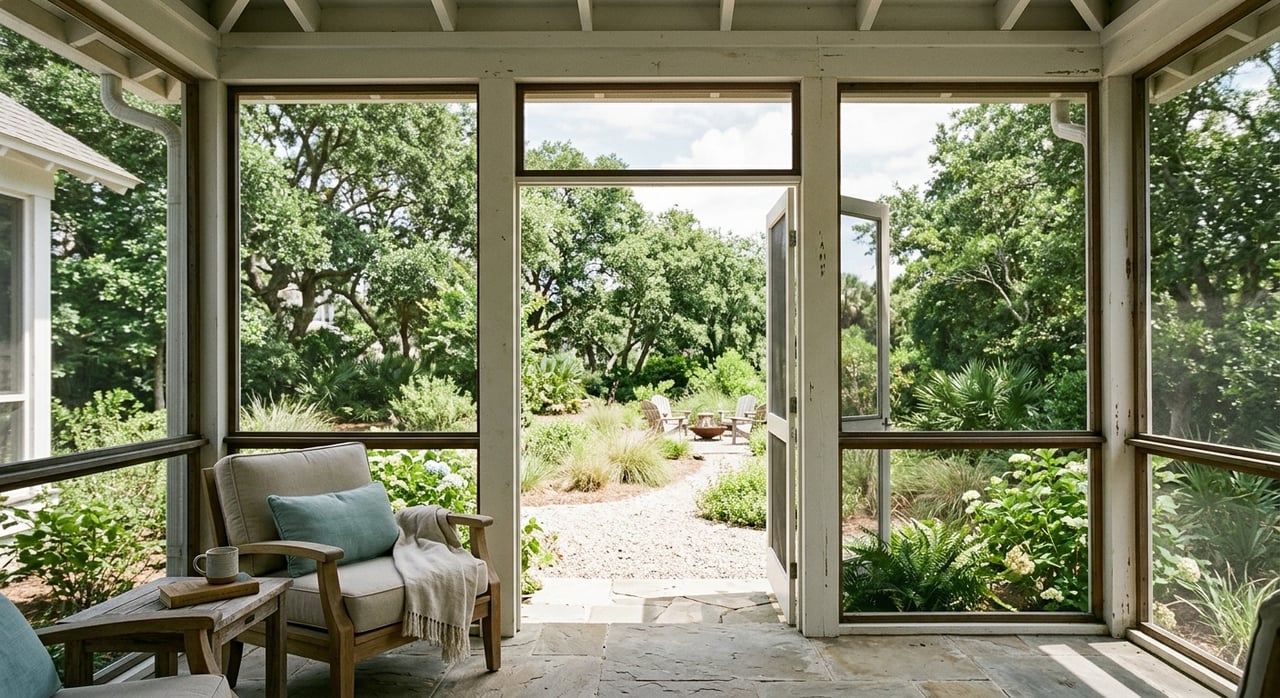
Johns Island is often the better fit if you picture more land, fewer dense surroundings, and a quieter Lowcountry pace. Charleston County zoning reflects that lower-density pattern in several areas, including AG-8 at 1 dwelling unit per 8 acres and AGR at 1 dwelling unit per acre with a 30,000-square-foot minimum lot area.
Local planning and development materials also consistently emphasize open space, natural preservation, and a rural, relaxed feel. In practical terms, that can mean more breathing room around you and a setting that feels less built out.
If lot size matters to you, Johns Island stands out in this comparison. The county’s zoning code includes lower-density districts with larger lot expectations and wider parcel dimensions than you will usually see in more suburban settings.
Planned communities on Johns Island also tend to lean into conservation-style design. Research materials note examples like Kiawah River, which includes substantial open space, and other developments that highlight pervious design and preservation of agricultural or rural character.
Everyday life on Johns Island often feels more spread out. That can be a major plus if you want a quieter setting, more natural surroundings, and a little distance from busier retail corridors.
At the same time, that lower-density lifestyle can mean errands and services feel less concentrated. If your ideal day includes room to breathe and a less crowded environment, Johns Island may line up well with that goal.
Mount Pleasant generally appeals to buyers who want a more established suburban environment with easier access to amenities, services, and major commuting routes. It is a larger town, and recent growth has been managed through planned development areas, infill, and permit controls.
The town’s FY 2024 reporting notes that single-family new construction is concentrated in a handful of larger development areas. That makes Mount Pleasant feel more structured and more predictably suburban in many parts of town.
If convenience is high on your list, Mount Pleasant often has the edge. The town reported 1,266 new business licenses in FY 2024, along with continued retail growth and active recreation and mobility projects.
That tends to translate into a daily experience where services, shops, and community amenities feel closer at hand. Many buyers describe the appeal in simple terms: more of what you need is nearby.
Mount Pleasant’s new-build story looks different from Johns Island. The town identifies single-family new construction in areas such as Carolina Park, Liberty Hill Farms, Oyster Point, Midtown, and Moores Landing.
Its development pattern also includes more compact residential formats, including medium-density districts like R-4. If you like the idea of planned neighborhoods, more structured lot layouts, and controlled new-build inventory, Mount Pleasant may feel like the more natural fit.
For many buyers, commute patterns end up being the deciding factor. If you expect to drive to downtown Charleston or the peninsula regularly, Mount Pleasant usually offers the more straightforward route because it connects directly through the Arthur Ravenel Jr. Bridge and the U.S. 17 corridor.
Town transportation materials also point to recent work along Johnnie Dodds Boulevard and U.S. 17, plus ramp and intersection improvements near the bridge base. That does not mean traffic disappears, but the route network is more direct.
Johns Island commuting is more dependent on a smaller number of corridors and bridge connections. Current public projects include the widening of Maybank Highway between River Road and the Stono River Bridge, a corridor overlay project for Maybank Highway and Main Road, and a bridge replacement on River Road over Burden Creek.
Taken together, those projects suggest Johns Island drivers may feel bottlenecks and detours more sharply during peak periods. If you work from home or have a flexible schedule, that may be easier to absorb. If you need a more predictable daily drive, it is worth weighing carefully.
If school logistics are part of your move, the biggest thing to know is that Charleston County School District uses neighborhood schools assigned by home address. Students have a guaranteed seat at their neighborhood school, while magnet, charter, choice, and specialized programs require an application.
That means school planning should happen at the specific address level, not just at the town level. Assignments can change, so the final step is always to confirm the current school assignment for any home you are considering.
For Johns Island, the neighborhood-school list in the research includes Angel Oak Primary, Edith L. Frierson Montessori, Johns Island Elementary, Haut Gap Middle, and St. Johns High.
For some buyers, that smaller list feels simpler to navigate. For others, it may feel more limited depending on where they are relocating from and what type of setup they are used to.
For Mount Pleasant and East of the Cooper, the neighborhood-school list is broader. The research names Belle Hall, Carolina Park, Charles Pinckney, James B. Edwards, Jennie Moore, Laurel Hill Primary, Mamie P. Whitesides, Mount Pleasant Academy, Sullivan’s Island Elementary, Laing Middle, Moultrie Middle, Thomas C. Cario Middle, Lucy G. Beckham High, and Wando High.
That wider range can give buyers more address-based possibilities as they narrow their home search. Still, because assignments depend on the property address, it is important not to assume a school based on neighborhood name alone.
A lot of relocation decisions come down to how you want your week to feel. Johns Island usually fits buyers who want more space, a quieter pace, and a landscape shaped by open-space and conservation-minded development.
Mount Pleasant usually fits buyers who want suburban convenience, easier access to major routes, and a more amenity-rich daily routine. Your best answer depends on what you want more of and what tradeoffs you are comfortable making.
Here is a simple way to frame the choice:
If you are still torn, try comparing these two areas through your real routine instead of a highlight reel. Think about how often you commute, how much land you really want to maintain, how often you run errands, and whether a quieter setting or a more connected suburban layout would make your life easier.
For many buyers, the answer becomes clear once they stop asking which area is better and start asking which area fits their everyday priorities. That is usually where the right move begins.
If you are relocating to the Charleston area or trying to narrow your search between Johns Island and Mount Pleasant, working with a local guide can save you time and help you focus on the neighborhoods that truly match your goals. When you are ready for personalized advice, neighborhood insight, and a concierge-level home search, connect with Kaylan Tyler.
Stay up to date on the latest real estate trends.


charleston lifestyle
From Charleston institutions and independent boutiques to designer flagships, here’s where to shop along one of downtown’s most iconic streets.
For an unmatched Charleston real estate experience tailored to your needs, reach out to Kaylan Tyler today. Let her passion and expertise guide you in finding or selling your dream home. Contact Kaylan now to begin your journey towards the perfect Charleston lifestyle!