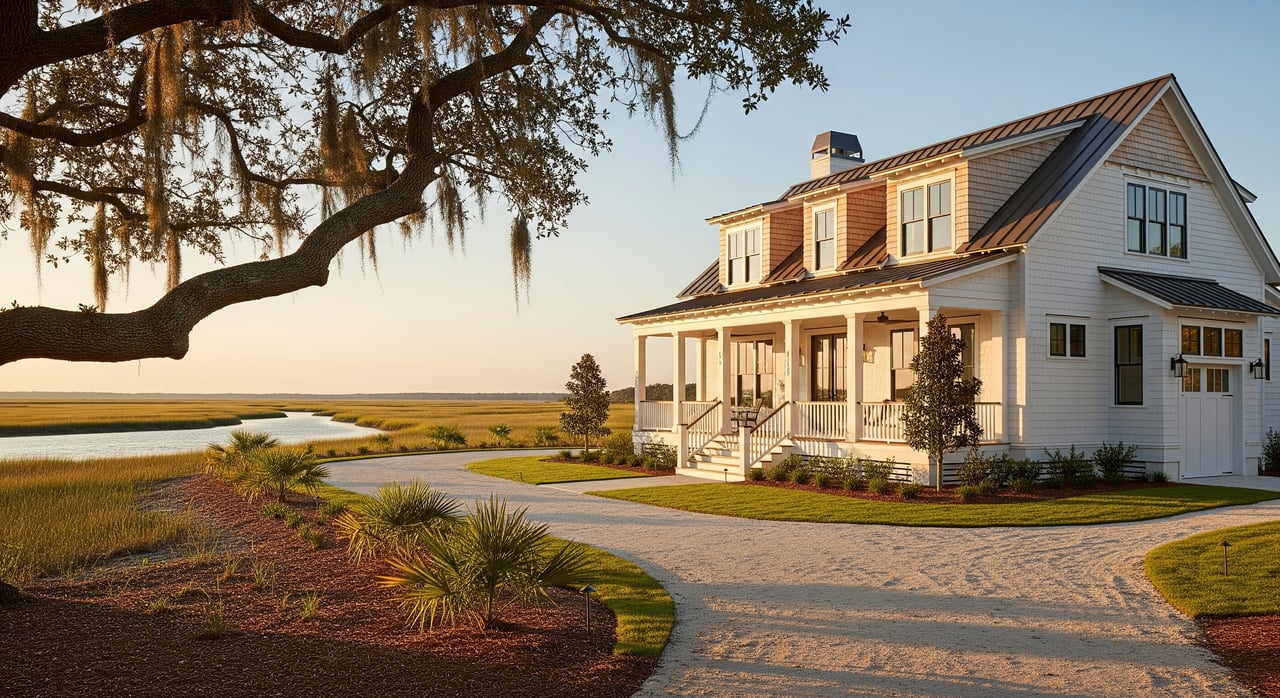
Johns Island New Construction Neighborhoods Overview
December 18, 2025
December 18, 2025
Thinking about a brand-new home on Johns Island? You are likely weighing space, outdoor living, and water access against commute and total cost. This guide explains how new construction works here, the main types of communities, what to verify with builders, and a practical checklist so you can buy with confidence. Let’s dive in.
Johns Island is a large, low-lying island with marshes, tidal creeks, riverfront, and stretches of agricultural and wooded land. Environmental buffers, wetlands, and flood zones shape where and how communities are built. This is why you see a wide range of foundations, from raised homes near the marsh to slab or crawlspace homes inland.
Permitting involves Charleston County Planning and Zoning and Building Services, with state oversight where applicable. FEMA flood maps and local freeboard requirements influence elevation, foundation type, and insurance. Many parcels still rely on septic, so sewer availability is a key constraint that affects lot size, density, and cost.
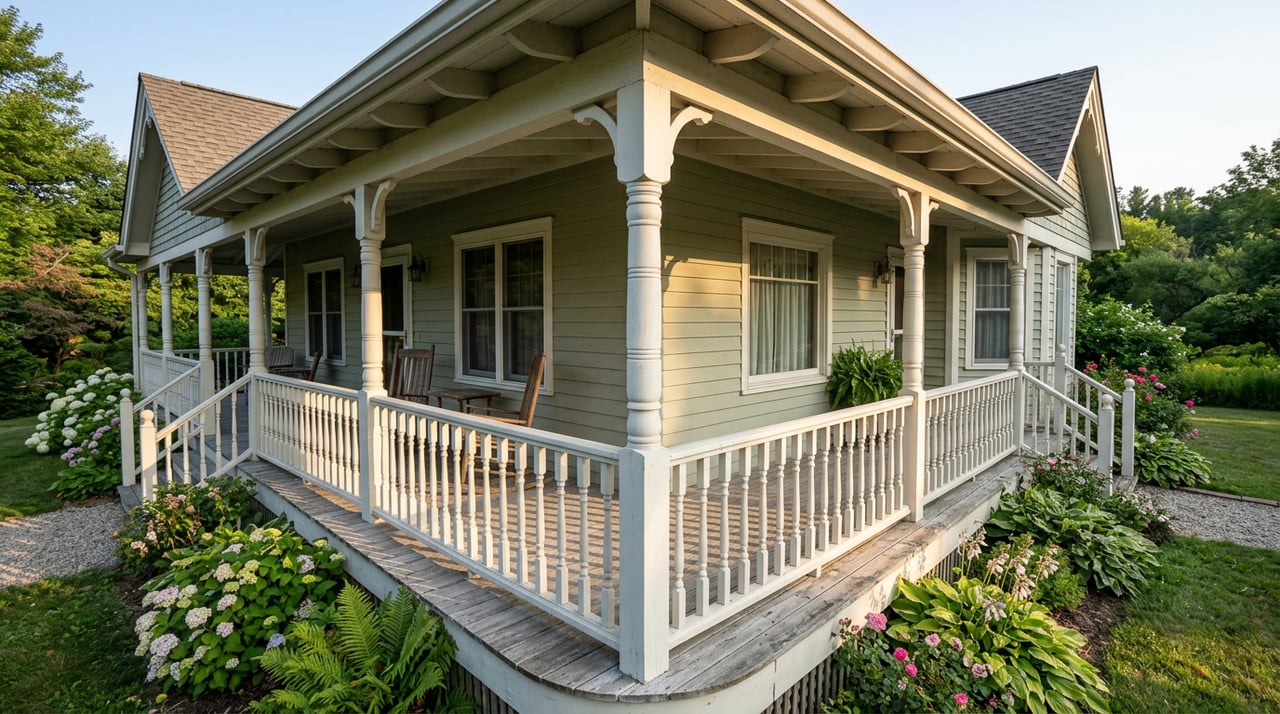
Compared with the Charleston peninsula, Johns Island typically offers larger lots, more yard space, and a stronger emphasis on porches and outdoor living. The tradeoff is proximity. Closer-in locations command higher prices and smaller lots, while farther-out areas offer more space and privacy, but longer drives to downtown.
If you want water or marsh views, this category delivers privacy, nature, and outdoor living. Homes are often custom or semi-custom, with generous square footage and large screened porches. Many sites require elevated foundations, and some communities offer private or shared dock access if permits allow.
Expect limited lot density and a quiet setting. Amenities may include gated entries, walking trails, and community docks. Buyer considerations include higher build costs for pile foundations, potential dock permitting timelines, and saltwater insurance exposure. Verify dock eligibility and insurance details early.
These neighborhoods sit on inland parcels with fewer wetland constraints. You will see production and semi-custom homes, often ranging from about 1,800 to over 3,500 square feet, on lots that can vary from roughly a quarter acre to an acre. Foundations are more likely to be slab or crawlspace.
Amenities often include green spaces, playgrounds, and sometimes a pool or modest amenity center. HOAs are common and govern exterior design and landscaping standards. Flood insurance requirements are often lower than marshfront, but always verify the flood zone for a specific lot.
If low maintenance is a priority, look at townhomes, attached villas, or smaller detached cottages with modest yards. Landscaping is often handled by the HOA, which keeps daily upkeep simple.
These communities trade private yard size for convenience and closer access to island services. Some limit short-term rentals. This can be appealing for downsizers, lock-and-leave owners, or anyone who prefers to spend weekends enjoying the Lowcountry rather than mowing.
For privacy, heritage trees, and room to spread out, custom lots and acreage properties are attractive. Buyers can design a home that fits their land, add outbuildings, or plan for gardens and equestrian uses where allowed. The focus is on land and flexibility rather than shared amenities.
Plan for longer timelines, more site work, and septic feasibility. Soft costs can be higher due to surveys, septic design, tree protection, and driveway or utility extensions.
Johns Island has fewer mixed-use destinations than areas like Mount Pleasant. While some developments aim for walkability to amenities, most daily needs still involve short drives. If being close to retail is essential, confirm what is open now versus planned for later phases.
Before you sign a contract, interview the builder. Use these questions to compare options:
Expect commute times to vary by time of day, route, and construction activity. If a shorter commute is vital, focus on locations closer to the peninsula and test your route during peak hours. Also monitor SCDOT updates to understand how current or planned projects might influence drive times in the future.
When you find a community you like, verify details with authoritative sources. Useful contacts include Charleston County Planning and Zoning and Building Services, FEMA flood maps for zone and base flood elevation, Charleston County GIS and Property Appraiser for parcel data and tax history, the Charleston County School District for attendance zones, local builder licensing through the South Carolina Department of Labor, Licensing and Regulation, the Charleston Trident MLS for current inventory, and insurance agents who can compare NFIP and private flood options.
Ready to compare communities and lots that fit your lifestyle? Reach out for concierge guidance, local insights, and seamless coordination with builders, inspectors, and insurers. Connect with Kaylan Tyler to get started.
Stay up to date on the latest real estate trends.
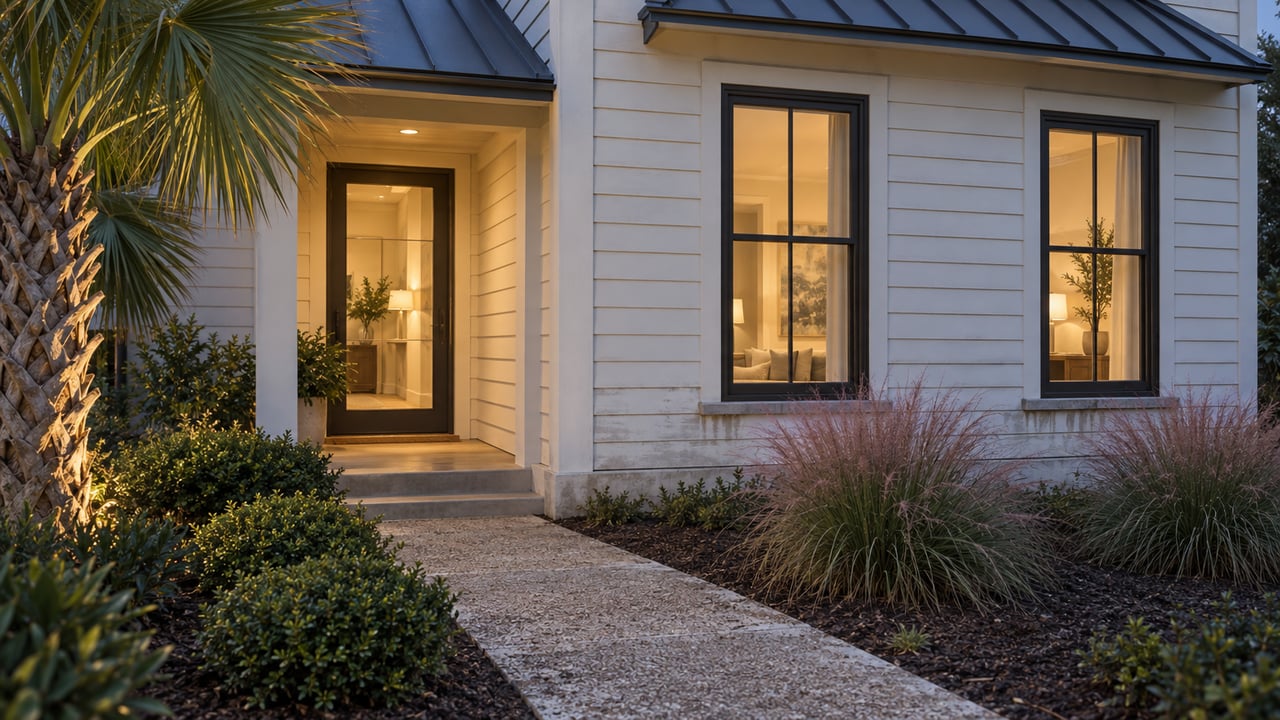

charleston lifestyle
From Charleston institutions and independent boutiques to designer flagships, here’s where to shop along one of downtown’s most iconic streets.
For an unmatched Charleston real estate experience tailored to your needs, reach out to Kaylan Tyler today. Let her passion and expertise guide you in finding or selling your dream home. Contact Kaylan now to begin your journey towards the perfect Charleston lifestyle!