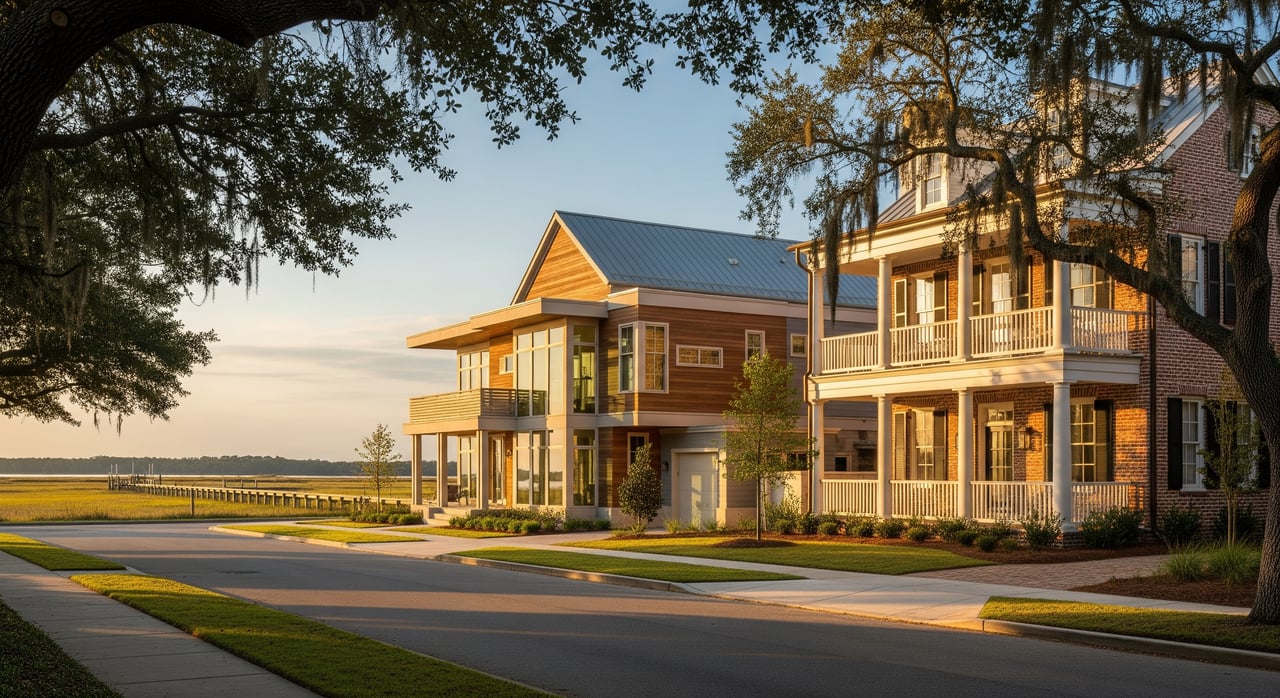
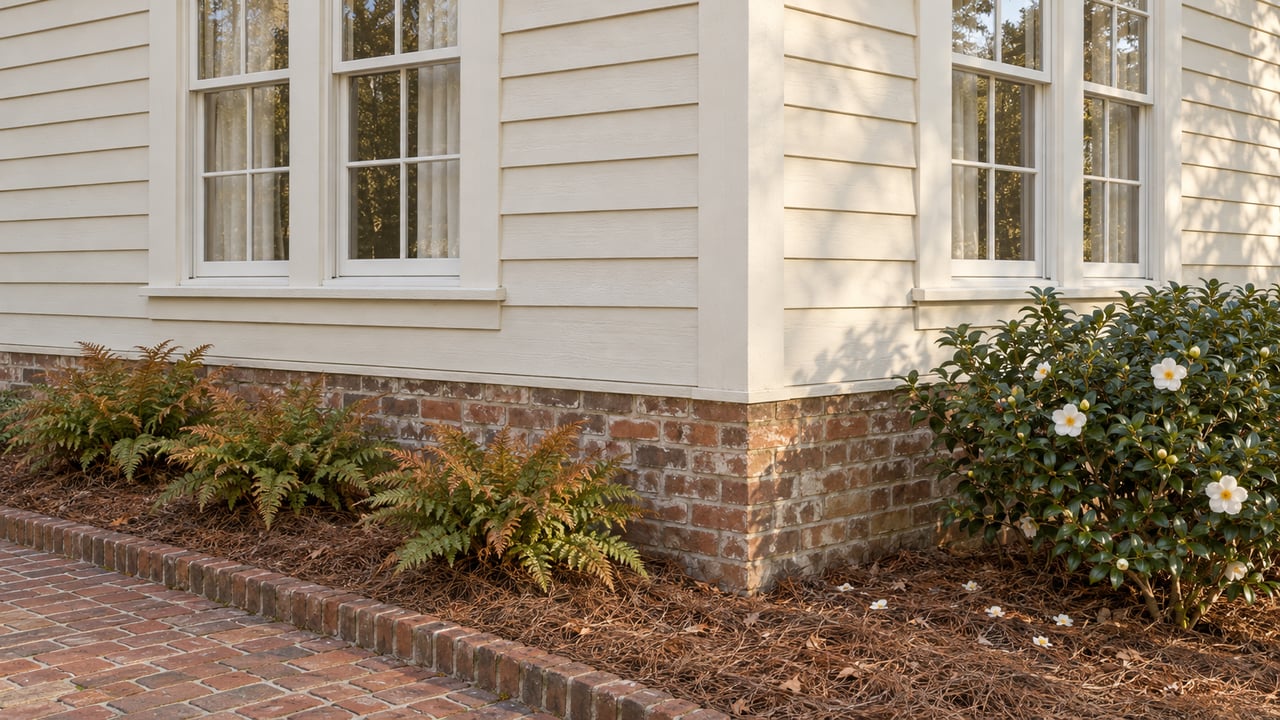
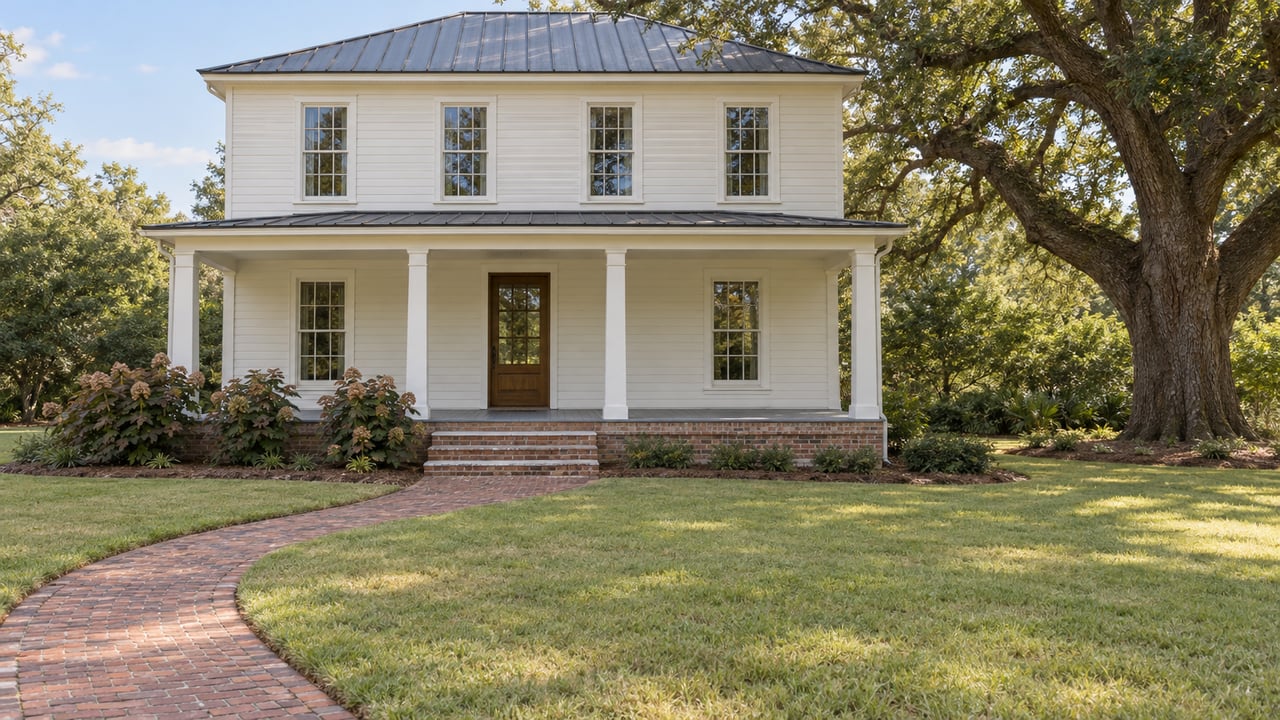
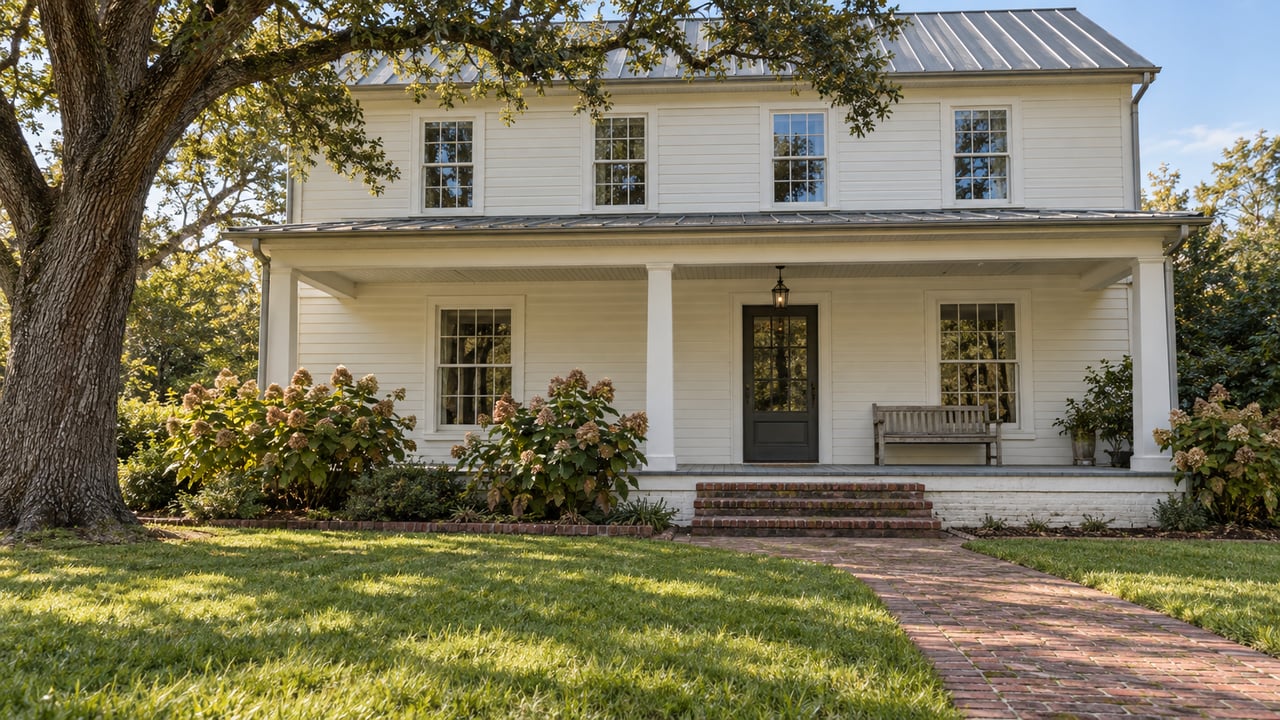
Should you buy new construction or a resale home on Daniel Island? It is a big decision that affects your timeline, budget, and day‑to‑day life. You want the right fit, not just the right house. In this guide, you will learn how these options compare on timelines, customization, warranties, HOA rules, flood considerations, and total cost of ownership. Let’s dive in.
How Daniel Island works
Daniel Island is a master‑planned community with a community association and neighborhood‑level covenants. Most homes follow design standards that guide architecture, colors, and even fencing. Before you buy, review the CC&Rs and the architectural review process with the Daniel Island Community Association so you know what is allowed and how approvals work. You can find community rules and design guidelines through the association’s resources.
Water and coastal proximity are part of the lifestyle here. That also means flood maps and elevation matter for both new and resale purchases. Use official FEMA resources to check the flood zone and ask for an elevation certificate when available.
Timelines: how fast can you move
New construction options
- Spec homes. If a builder has a home already started or finished, you can often move in within weeks to a few months, depending on completion and lending timelines.
- To‑be‑built or semi‑custom. Most builds take several months to over a year. Lot availability, permitting, weather, supply chains, and labor all affect timing.
- Pre‑sale reservations. You may reserve a lot and plan your home, then wait through the build process. Expect deposit schedules and deadlines for change orders.
Resale timing
Resale homes typically close faster once under contract, often in the 30 to 60 day range depending on financing, inspections, appraisal, and title. Repairs negotiated after inspections can add time but are usually more predictable than a full build.
Market factors on Daniel Island
In periods of low resale inventory, buyers sometimes favor new construction despite longer timelines. When there are more move‑in ready listings, the speed advantage swings toward resale.
Customization and design control
What you can choose in new builds
New construction lets you pick floor plans, finishes, appliances, and some mechanical options. Builders often price upgrades for counters, flooring, cabinets, lighting, and smart‑home features. Premium lots, like corner or water‑view locations, can carry additional cost.
Where new builds are limited
Even with builder options, exterior appearance and site plans must meet design rules reviewed by the community’s design board. Lot orientation, drainage, and elevation requirements also shape what you can build. Some changes add cost and can lengthen your timeline if materials have long lead times.
Resale customization
With resale, you see the layout and features in place on day one. You can negotiate credits for updates or tackle projects after closing. Major layout changes or code‑driven upgrades may require permits and can be more involved than surface‑level updates.
Inspections, warranties, and handover
New‑construction warranty basics
Many builders provide tiered protection that often follows a 1‑2‑10 pattern. That typically means one year for workmanship, two years for systems, and ten years for structural, usually through a third‑party program. Review the actual warranty provider and terms in writing. For background on common structures, see resources from 2‑10 Home Buyers Warranty.
Inspections and walk‑throughs
Hire an independent inspector for new construction. Schedule a pre‑drywall inspection to review framing and rough‑ins, then a final inspection before closing. Attend builder walk‑throughs and create a punch list. Confirm in writing how and when the builder will complete items and how final acceptance is handled.
Resale inspections
For resale, you will usually complete a general home inspection plus any specialty checks you need, such as pest, roof, HVAC, or sewer where applicable. You and the seller negotiate repairs or credits during the contingency period. You can also purchase a one‑year home warranty or negotiate for the seller to provide one.
Total cost of ownership on Daniel Island
Purchase price is only part of the picture. Compare these cost categories side by side.
- Purchase price and loan costs. New builds often include lot premiums and upgrade pricing. Resales reflect market demand and condition.
- Property taxes. New homes can trigger reassessment. Check recent assessed values and local tax rules.
- HOA and regime fees. Daniel Island properties often include the island‑wide association plus neighborhood or regime fees for amenities or maintenance. Verify what is covered and billing frequency.
- Insurance. Coastal proximity can influence homeowners and flood insurance. Ask about elevation certificates, base flood elevation, and current premiums. For statewide guidance, consult the South Carolina Department of Insurance.
- Utilities and energy. Newer homes often include modern insulation, windows, and efficient HVAC that can lower monthly bills.
- Maintenance. Older systems and finishes may need earlier repair or replacement. A common planning rule is 1 to 2 percent of the home’s value per year, adjusted for age and condition.
- Reserve and assessment risk. Planned communities may levy special assessments for capital projects. Review association budgets, reserves, and recent special assessments.
- Upgrades and change orders. Builder options add to your basis. You may or may not recoup them fully at resale.
A simple TCO worksheet you can use
- Annual TCO estimate = annual mortgage cost + annual property tax + annual HOA and regime fees + annual insurance premiums + annual utilities + annual maintenance and reserve contribution.
- One‑time or periodic costs to plan for: initial HOA or transfer fees, builder lot or community fees, closing costs, upgrades and change orders, and long‑term replacements like roof or HVAC.
Decision checkpoints and when to involve your agent
Your steps will look different based on whether you buy new or resale. Use these checkpoints to stay in control.
Before you make an offer
- Read the CC&Rs, design rules, and any neighborhood‑specific restrictions.
- Confirm flood zone and request an elevation certificate or elevation relative to base flood elevation for new builds.
- New construction: request the builder’s contract, warranty documents, detailed specifications, and a sample closing statement. Clarify what is standard versus an upgrade.
- Resale: review seller disclosures, any prior inspections, and association documents.
Contract and negotiation
- Have your agent and, if needed, a real‑estate attorney review builder contracts and addenda. Builder forms often favor the builder on contingencies and dispute resolution.
- Get itemized written quotes for upgrades. Confirm change‑order deadlines and the payment schedule.
- Negotiate financing, appraisal, and inspection contingencies where possible. Understand any limits in a builder contract.
- Verify earnest money terms, refundability, and what triggers non‑refundable status.
During construction and pre‑closing
- Schedule independent inspections: pre‑drywall, mechanical or HVAC, and final.
- Manage the punch list in writing with dates and photos. Ask about holdback policies if allowed.
- Confirm a certificate of occupancy will be issued before closing or move‑in.
- Line up your homeowner insurance effective date and utility start dates.
Post‑closing and warranty
- Register all builder warranties promptly.
- Keep a dated punch list and submit claims as required by the warranty provider.
- Set a maintenance calendar and collect manuals for installed systems.
How your agent adds value on builder deals
- Early discovery. Your agent can provide comps that help you judge builder premiums and resale potential by sub‑neighborhood.
- Lot selection. Get guidance on orientation, views, drainage, and future build‑outs.
- Options and negotiations. An agent may negotiate incentives or upgrades and organize selections and change orders.
- Construction oversight. Expect coordination with inspectors and documentation of agreed upgrades.
- Final walk‑through and beyond. Your agent can help with punch lists, advise on holdbacks if permitted, and assist with warranty escalations after closing.
Which path fits you
Choose new construction if you want control over finishes and are comfortable with a longer timeline. Newer systems and energy features may lower early ownership costs. You will still need to follow community design rules and manage selections and inspections.
Choose resale if you value a quicker move‑in and like seeing the finished product. You might allocate budget to updates or negotiate credits and keep your timeline predictable. Make sure you review association documents and flood information just as carefully.
If you are undecided, compare a few real homes side by side. Price them apples to apples by adding realistic HOA, insurance, and maintenance numbers, then factor in your timing and customization needs.
Ready to compare homes on Daniel Island
You deserve a smooth, informed process with a guide who knows the island’s design rules, builder practices, and neighborhood nuances. If you want a side‑by‑side plan tailored to your timeline and budget, reach out to Kaylan Tyler for concierge‑level buyer support.
FAQs
Is new construction more expensive upfront on Daniel Island?
- Often yes at purchase price due to lot premiums and builder markup, though lower early maintenance and better efficiency can help overall ownership costs.
How long does a resale closing usually take on Daniel Island?
- Many resale closings finish in about 30 to 60 days depending on financing, inspections, appraisal, and title work.
What warranties come with a new build on Daniel Island?
- Many builders use a tiered format such as 1 year for workmanship, 2 years for systems, and 10 years for structural, with specifics defined in the written warranty.
Can I hire my own inspector for a new build?
- Yes, and it is recommended. Schedule inspections at pre‑drywall and final stages to verify work against plans and code.
How do HOA and regime fees work on Daniel Island?
- Expect an island‑wide association plus neighborhood or regime fees that cover certain amenities or maintenance. Always verify services, billing, and any transfer fees.
How do flood zones affect insurance costs here?
- Flood zones and elevation influence premiums. Check FEMA flood maps, request an elevation certificate, and confirm coverage options with your insurance provider.