Are you shopping for a Mount Pleasant home where prices often stretch beyond typical loan limits? If so, you might be looking at a jumbo loan. It can feel complex, especially if you are relocating or buying a higher‑priced property near the coast. In this guide, you’ll learn how jumbo loans work in Mount Pleasant, what affects approval, and the smart steps that help you secure strong terms and avoid delays. Let’s dive in.
What is a jumbo loan?
A jumbo loan is a first mortgage that exceeds your county’s conforming loan limit set by the Federal Housing Finance Agency. For 2024, the baseline single‑family conforming loan limit in most U.S. counties was $766,550. You should verify the current Charleston County limit each year on the FHFA conforming loan limit page.
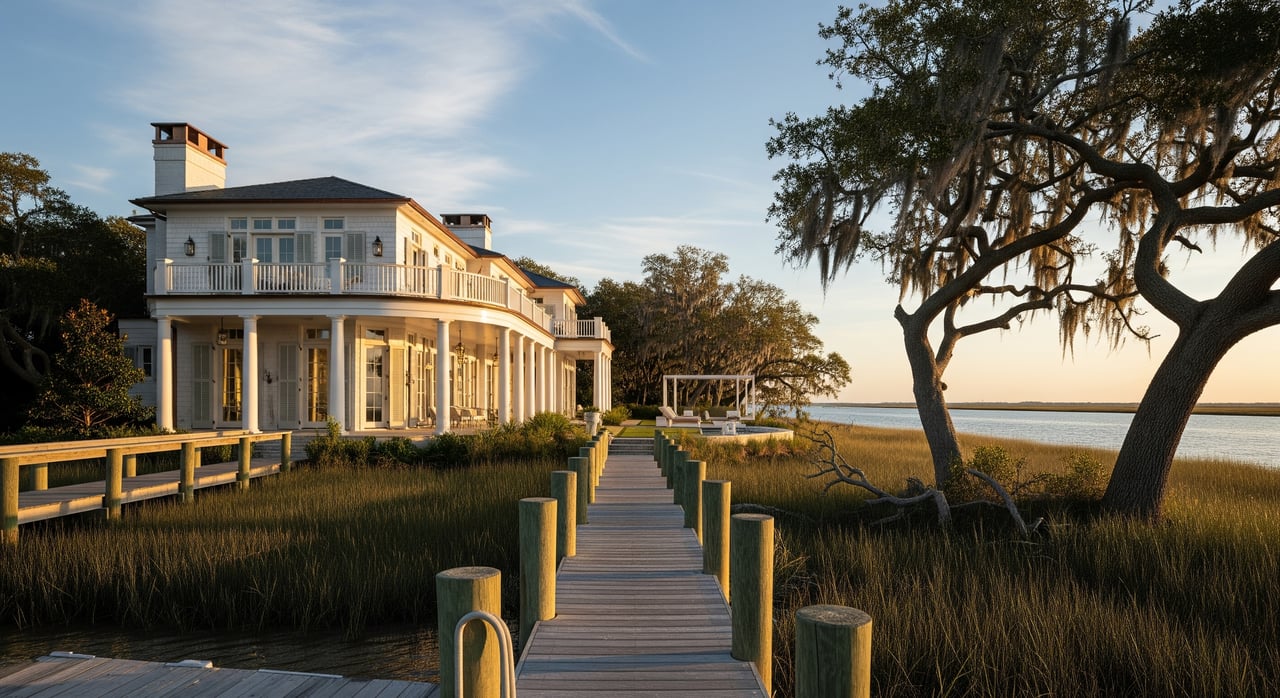
In practice, many homes in Mount Pleasant, especially in higher‑end or waterfront areas, often exceed the conforming ceiling. Whether you need a jumbo depends on your final purchase price and total first‑mortgage amount after credits or concessions. You can sometimes avoid a jumbo by increasing your down payment, using a piggyback second mortgage, or structuring seller concessions to keep your first mortgage within the conforming cap.
How jumbo underwriting differs
Every lender sets its own guidelines, but jumbo programs often expect stronger overall profiles than standard conforming loans. Here is what to expect.
Credit score expectations
- Many lenders look for FICO scores of 720 to 740 or higher.
- Scores of 760 and above can help you qualify for better pricing.
Debt‑to‑income (DTI)
- Acceptable DTI often tops out around 43 to 50 percent, depending on the overall file strength.
- Lower DTI typically improves approval odds and rate offers.
Down payment and LTV
- Standard jumbo options often require 20 percent down, or an 80 percent loan‑to‑value ratio.
- Some lenders offer higher LTV programs, sometimes up to 90 to 95 percent, but expect tighter rules and higher pricing.
Cash reserves
- Many jumbo loans require you to show 6 to 12 months of reserves, measured as months of principal, interest, taxes, and insurance.
- Higher‑risk profiles may need 12 to 24 months.
Documentation
- Expect full documentation: two years of tax returns, W‑2s, recent paystubs, and 60 to 120 days of bank statements.
- Self‑employed borrowers may need profit‑and‑loss statements and additional verification.
- For a consumer‑friendly overview of mortgage documentation, review CFPB’s owning a home resources.
Assets and seasoning
- Lenders verify the source of your down payment and reserves. Large deposits must be documented. Seasoned funds are easier to underwrite.
Appraisal and valuation
- Jumbo loans almost always require a full appraisal. Unique or high‑end properties may need additional analysis or a second review.
Rates and pricing
- Jumbo rates do not always run higher than conforming. The spread changes with market conditions and your profile.
- Your credit score, LTV, and reserves heavily influence pricing.
Mortgage insurance
- PMI is not usually offered on jumbos the way it is for conforming loans. Most borrowers put at least 20 percent down to avoid extra cost structures.
Lender options to consider
Mount Pleasant buyers benefit from comparing multiple lender types. Each has tradeoffs.
National lenders
- Large banks and mortgage companies usually have a wide menu of jumbo products and faster tech.
Regional and community banks
- Charleston‑area banks and credit unions often keep loans in portfolio and understand local nuances like flood zones and condo projects.
Portfolio and private banks
- Portfolio lenders can tailor terms, documentation, and higher LTVs for strong clients.
Non‑QM and specialty programs
- Self‑employed buyers may use non‑QM or bank‑statement jumbos. Expect stricter reserve rules and higher rates.
- Some occupations, like medical professionals or attorneys, may qualify for specialty jumbo options with lower down payment requirements, depending on the lender.
Broker vs direct lender
- Mortgage brokers shop multiple lenders for you. Direct lenders can be faster with in‑house underwriting. Compare both.
Mount Pleasant factors that matter
Local property features and coastal risk can influence your jumbo approval and timeline.
Appraisals and comps
- Waterfront, custom, or historic homes may have fewer recent comparable sales. Appraisals can take longer and may include extra review.
Flood risk and insurance
- Parts of the Charleston region sit in Special Flood Hazard Areas. If your property is in an SFHA, your lender will require flood insurance, which counts toward your monthly housing cost and DTI. Check your location early using the FEMA Flood Map Service Center and get a quote right after you go under contract.
HOA and condo reviews
- Some jumbo programs have stricter condo or project eligibility standards, including owner‑occupancy, litigation, and commercial concentration.
Property condition and improvements
- Older or recently remodeled homes can trigger requests for permits, invoices, and proof of work to support value and marketability.
Title and survey items
- Coastal features, docks, and easements can add complexity. Loop in a local title company early.
Prepare early to avoid delays
Strong prep and a focused team reduce stress and keep your closing on track.
Pre‑shopping checklist
- Confirm whether your target price range likely requires a jumbo by reviewing the current FHFA county limit.
- Speak with at least three lenders: one national, one Charleston‑area bank or credit union, and one mortgage broker. Ask about overlays, reserve requirements, condo rules, and average turn times for jumbo files.
Credit and documentation
- Strengthen your credit by paying down revolving balances and correcting report errors.
- Reduce DTI where possible and avoid opening new debt before closing.
- Build and document reserves. Many jumbo buyers need 6 to 12 months of PITI.
- Organize two years of tax returns, W‑2s, recent paystubs, and 60 to 120 days of asset statements. Document large deposits early.
- If you are self‑employed, prepare profit‑and‑loss statements and ask your lender which schedules they need upfront.
Under contract and underwriting
- Get a formal pre‑approval with a specified program and reserve requirement. It makes your offer stronger.
- Choose a lender familiar with Charleston appraisals and flood risk.
- Plan for appraisal timing of about 10 to 21 business days, plus any review.
- Discuss your lock strategy and any float‑down features before you lock.
- Order a flood zone determination and obtain flood insurance quotes right after contract acceptance if applicable.
Alternate structures to weigh
- Larger down payment to keep your first mortgage at or below the conforming limit.
- First mortgage plus a HELOC or second mortgage. This adds complexity but can help avoid a jumbo.
- Bridge financing if you’re relocating and need to buy before selling. Costs can be higher, so plan carefully.
- Portfolio or non‑QM options for self‑employed buyers when tax returns do not show full cash flow.
Realistic timelines
Jumbo loans often take a bit longer. A 30 to 45 day window is common, and it can be longer if appraisal issues arise or the lender requests more documentation. Start mortgage processing as soon as your contract is ratified to stay on schedule.
Work with a local guide
Buying a higher‑priced home in Mount Pleasant is easier with a trusted, local advisor who understands jumbo financing, flood considerations, and appraisal realities. With concierge‑level coordination, vendor and lender introductions, and clear communication from search to close, you can move with confidence. If you are weighing jumbo financing for a Mount Pleasant purchase, connect with Kaylan Tyler to map your plan and access a proven local network.
FAQs
Do jumbo loans in Mount Pleasant always have higher rates than conforming loans?
- Not always. Jumbos often carry a premium, but pricing changes with market conditions and your profile. Compare current quotes across multiple lenders.
How much cash do I need for a jumbo loan besides the down payment?
- Plan for reserves equal to several months of PITI, commonly 6 to 12 months, plus closing costs, escrow, and prepaids.
Can I qualify for a jumbo loan if I am self‑employed in South Carolina?
- Yes. Many lenders offer bank‑statement or non‑QM jumbo options, but expect stricter documentation and potentially higher rates.
Will a low appraisal jeopardize a jumbo purchase in Mount Pleasant?
- It can. You may bring extra cash, request a reconsideration of value with stronger comps, renegotiate price, or ask the seller for concessions.
Do I need flood insurance for a jumbo loan near the coast in Charleston County?
- If the property sits in a Special Flood Hazard Area, lenders will require flood insurance. Check your location on FEMA’s map and get quotes early.